On the morning of Thursday 31st July, as the sun rose, there was a buzz of excitement as crowds gathered around the practice range at the number one golf course in Wales: Royal Porthcawl. The flags of the represented countries waved in the breeze which was making its way across the golf course from the Bristol Channel. The swings were pure, and the shots were flush, struck by 144 of the world’s best female golfers.
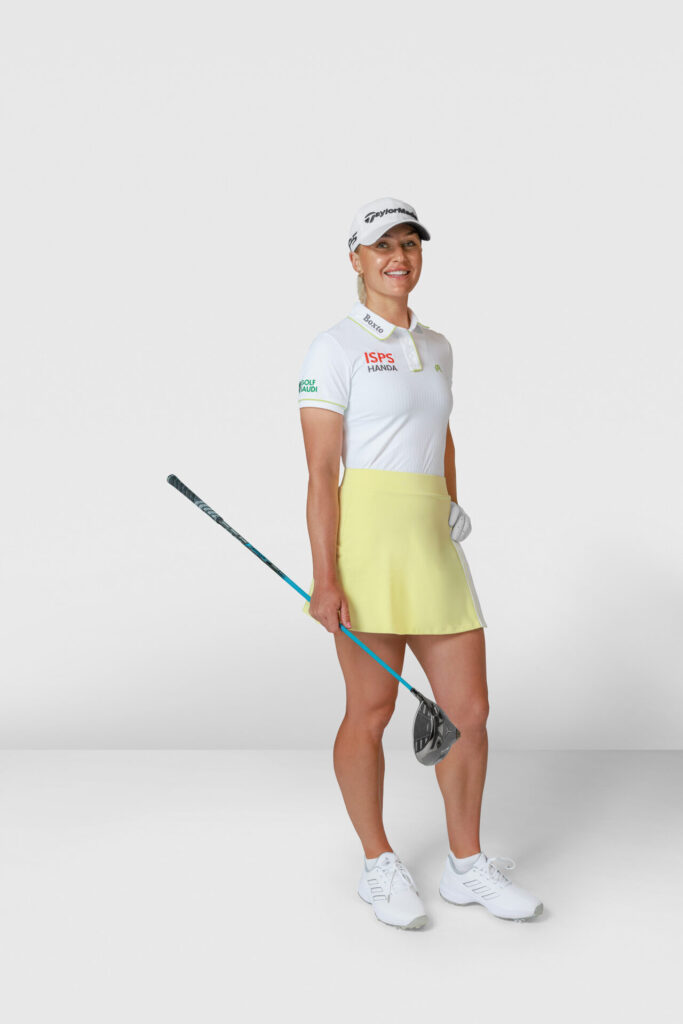
Among those warming up was England’s Charley Hull, two-time winner on the LPGA Tour and fashion trailblazer, looking for her first major victory after three runner-up finishes. Her tee time was 8:31 am alongside the World number two, Jeeno Titikul and three-time major champion, Minjee Lee. This star-studded tee time promised to bring the audience and showcase the highest quality of women’s golf.
Also in the field was England’s Lottie Woad, the bookmaker’s favourite after her win at the Women’s Scottish Open in her maiden tournament as a professional. She was playing alongside the 2024 champion, Lydia Ko and the 2023 champion, Lilia Vu. Then there was Nelly Korda—the world number one, classy and effortless -determined to capture her first victory of 2025.
However, here’s the issue: TV coverage of the Women’s Open did not begin until 12 noon on any of the four days. Consequently, viewers at home were unable to watch the majority of Charley Hull and her playing partners’ impressive early-round performances. What’s more frustrating is that by the time television coverage began on Friday, high-profile players such as Lottie Woad and Nelly Korda had already completed their rounds and signed their scorecards.
In comparison, coverage for the Men’s Open begins at 6:30 am and finishes at 7:30 pm, meaning every single group is covered and is available to watch. This year, the women’s open only received 54% of the airtime the men’s open received. This disparity demonstrates how, in 2025, there is still a massive divide between male and female golf coverage.
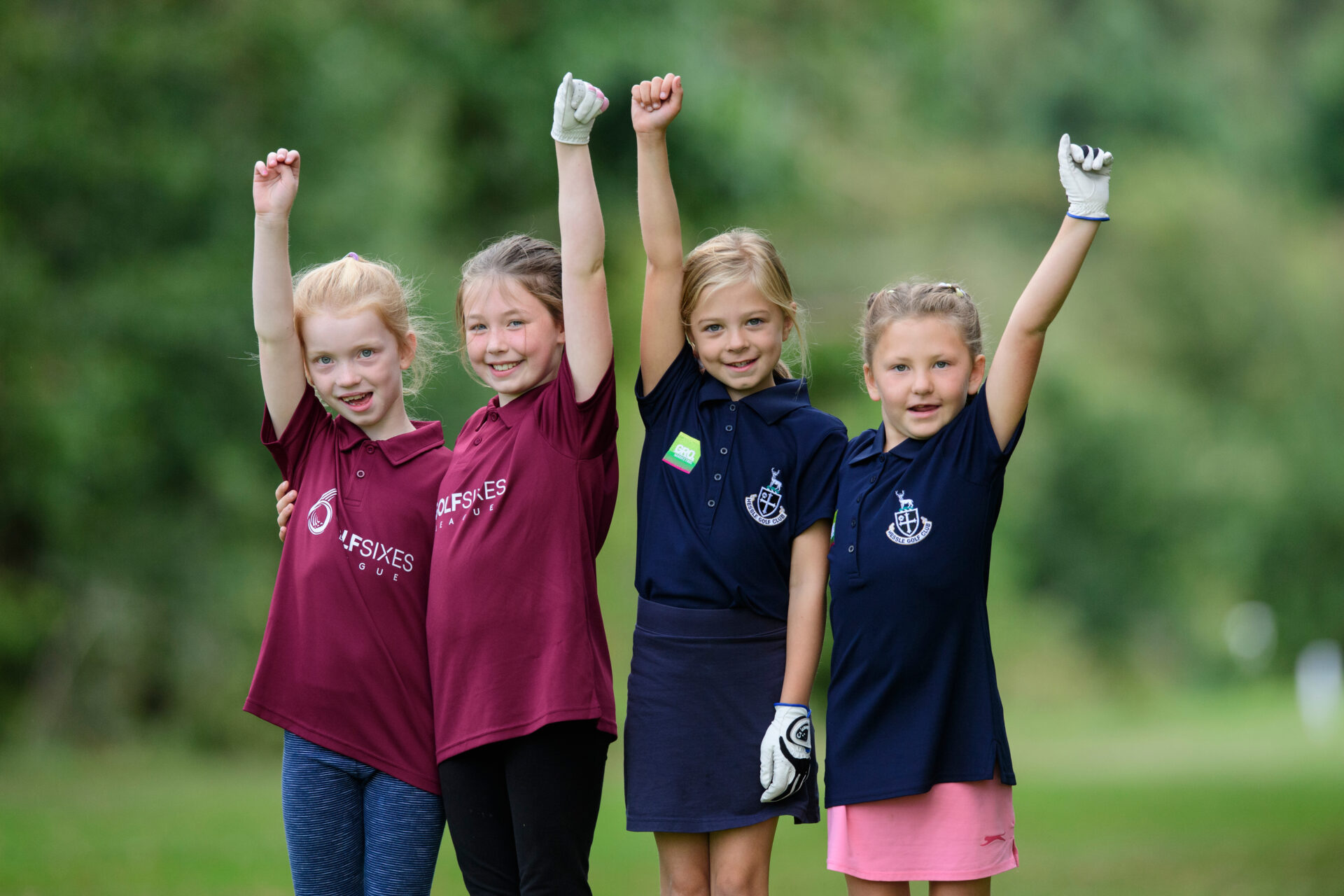
This limited coverage of women’s golf creates a visibility gap, making it harder for young girls to see women playing golf. Without having these role models, it is difficult for girls to see professional golf as a possible career. Ultimately, this results in fewer girls taking up the sport, as they perceive golf to be a ‘man’s game’. This perception is further reinforced by the media who portray men’s golf as the norm and treat women’s golf as a by-product.
Furthermore, the less coverage Women’s golf gets, the less it appeals to sponsors, creating a cycle of disproportionately lower prize funds, reduced investment, and fewer opportunities for players. This financial disparity makes it increasingly difficult for professional golfers – particularly those not at the very top of the game – to earn a sustainable living or cover the substantial costs associated with competing at the highest level.
After winning the Chevron Championship in 2024, Nelly Korda said, “We need a stage. We need to be on primetime TV, and we need to showcase the talent we have out here, which is a lot. We need the support from not just the crowds but the television networks.”
Despite this lack of media coverage, women’s golf is an exciting and growing industry. In fact, brands are missing out on reaching valuable new audiences by shying away from sponsoring and covering women’s sports. According to a Deloitte report, women’s sport is ‘on track’ to be worth over a billion dollars; however, it will need massive investment to reach this milestone.
Moreover, research by The Space Between indicates that fans of women’s sports are 25% more likely to purchase sponsor products than fans of men’s sports, while female fans demonstrate twice the brand recall of their male counterparts. This insight represents a compelling opportunity for companies to amplify brand growth while championing the advancement of women’s sport. Adverts celebrating sportswomen are also seen as 148% more rewarding than adverts featuring sportsmen, showing how female athletes act as great role models and are ambassadors for their sport.
In conclusion, imagine a future in golf where the gender media gap has been bridged. The sport would thrive as a truly equitable arena, encouraging participation from all genders and celebrating the rich diversity of its players. Through innovative broadcasting and strategic sponsorship, golf has the potential to evolve into a truly level playing field—one where talent reigns supreme, gender holds no barriers, and every golfer has an equal platform to excel.